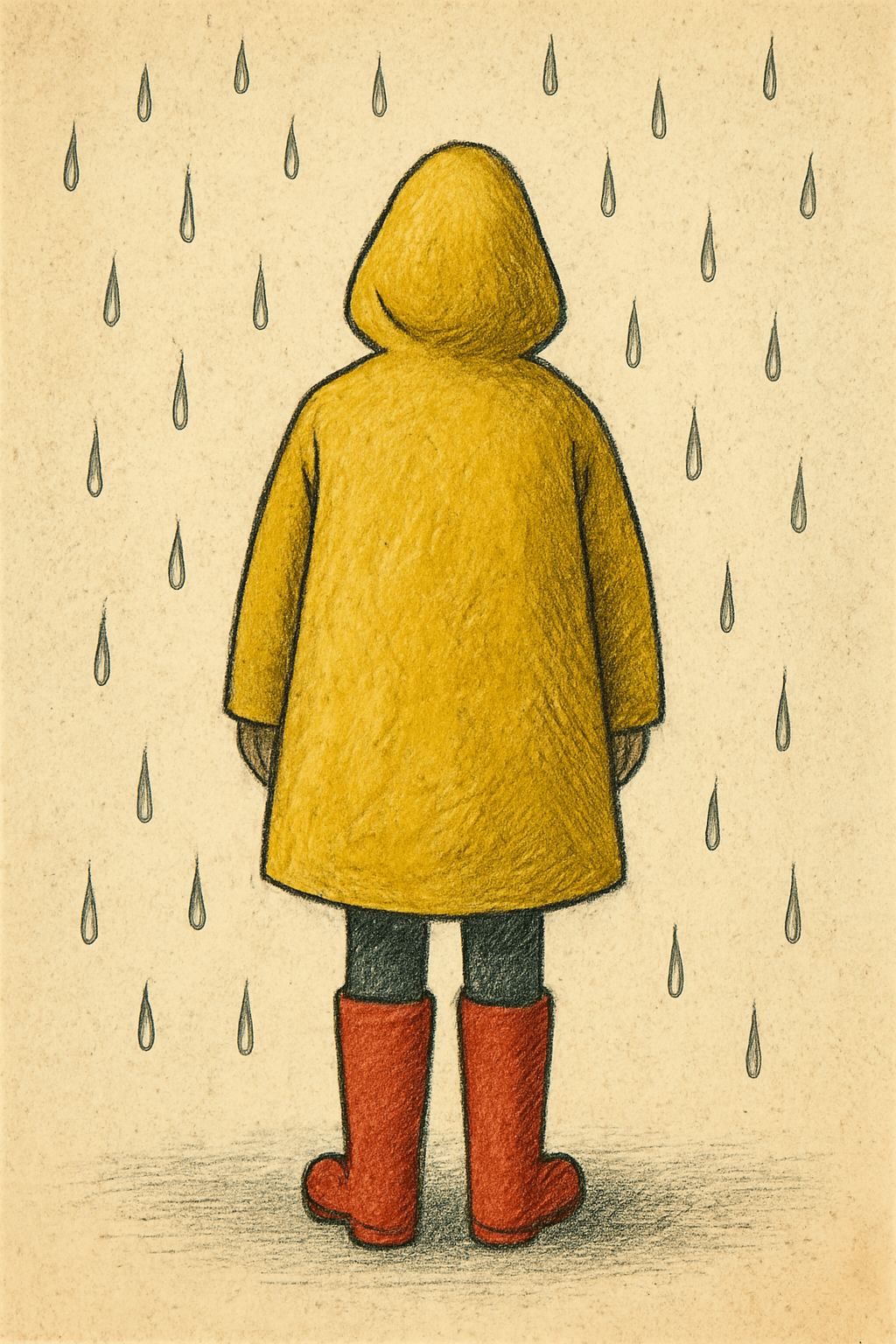
We’ve had buckets of rain in these parts, and I’ve been having conversations with folks across southern Appalachia about how they’re dealing with it. There’s a shared story going around—one of soggy corners, musty crawlspaces, and bodies that feel just a little off. The rain this spring hasn’t let up much, and it’s not just about rushing creeks and uncut grass anymore. We’re talking about what’s sneaking into our homes with that moisture, and how it affects our health in ways that aren’t always obvious at first.
Even with solid HVAC systems and good dehumidifiers, some of us are still fighting stubborn humidity indoors. And here’s the thing—you can’t manage what you don’t measure. Most homes don’t have hygrometers sprinkled in multiple rooms, quietly telling the truth in the background. You might feel fine, but if your indoor humidity creeps past 50%, your body will be burdened.
For those living in a temperate rainforest—decay is part of the deal. We bring it in on our shoes and clothes, and there’s no avoiding that. We can park our shoes at the door, and this helps. But either your house breathes—with windows open and fresh air flowing year-round—or you have to get serious about controlling moisture. For anyone who’s been through mold illness, this isn’t up for debate. It’s intense. And exposure doesn’t build immunity—it stacks up. It’s cumulative.
This is bigger than mildew on the windowsill. For some, it’s headaches and brain fog. For others, it’s fatigue, irritability, poor sleep, heart flutters, joint pain or digestion that feels off track. And yes—that endless throat-clearing, post-nasal drip, the subtle sense that you’re never quite breathing clean air. That could all be your house talking.
Here’s a straightforward toolkit to help you stay ahead of the moisture and protect your health, especially when the weather won’t cooperate:
Daily Defense: Tools That Matter
1. Hygrometers
Monitor humidity room by room. Put one in every bedroom, bathroom, kitchen, and any space with low airflow or above a crawlspace. Mini Hygrometer Indoor Humidity Meter (6-Pack) https://a.co/d/jjVMhsm
2. Dehumidifiers
Choose one rated for your room size. Add a plug-in humidity controller to maintain your sweet spot (aim for 40–50%). This is a must have in some homes.
3. Air Circulation
Use box fans, floor fans, register boosters, or even crawlspace fans to prevent moisture from settling beneath you.
4. Natural Cleaning Supplies
White vinegar, hydrogen peroxide, and essential oils like tea tree or clove are your allies. Use them in bathrooms, on windowsills, and around HVAC vents. Bleach is a no go.
5. HEPA Air Purifiers
True HEPA with a carbon filter helps remove mold spores and allergens. Look for models that cover your bedroom and main living areas. A game changer!
For When Something Feels Off
6. DIY Mold Tests
Agar plate kits can give you a rough idea. For deeper health concerns, dust tests like ERMI or HERTSMI-2 are more precise.
7. Moisture Meters
A small handheld device can check drywall, floors, or furniture for trapped moisture you can’t see.
8. Professional Help
If you’ve had water damage or your health hasn’t bounced back, call in a certified mold inspector. They should offer visual checks, infrared scanning, and lab-grade testing—not just a quick sniff and a shrug.
9. Remediation Teams
Only work with IICRC-certified pros. Look for a clear protocol: containment, filtration, removal. Avoid anyone whose only tool is bleach.
Support Your Body, Too
If you suspect exposure, gentle detox support can help. Liposomal glutathione (a strong antioxidant) and activated charcoal (a binder) are two widely tolerated options for supporting the body’s natural elimination pathways. As always, consult with a health professional who knows your history.
We don’t need to panic. But we do need to be prepared. This happens every year for several months, and vigilance is key. And for those of you who are new to this region, it’s easy to think, “It doesn’t smell funny in my house, so I must be fine—I don’t have a mold problem.” Well, I thought the same thing too—until I ran into mold, and it took me years to fully recover.
Our homes might look fine at a glance, but they may be quietly holding onto a season’s worth of damp. And our bodies—from our mood to our sleep to our digestion—are often the first to notice.
So keep an ear to your house. Keep your tools close. And keep yourself well.
 PJ Davenport | Storytelling & Transformation—On & Off the Mat
Leave a comment